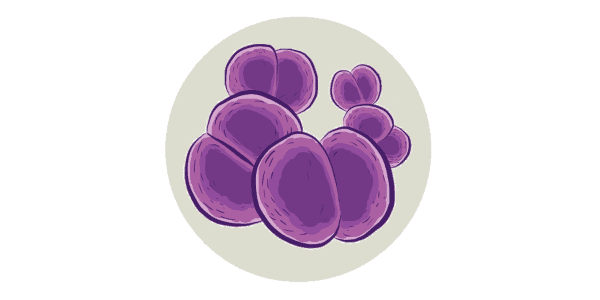
Neisseria Meningitidis (Student review)
Neisseria Meningitidis, also known as meningococcus, is non-motile, gram-negative cocci that cluster in pairs. They are one of the most common causes of bacterial meningitis, a severe

Neisseria Meningitidis, also known as meningococcus, is non-motile, gram-negative cocci that cluster in pairs. They are one of the most common causes of bacterial meningitis, a severe

Vibrio is a genus consisting of bacteria that are closely related to Enterobacteriaceae. The cholera species are the most important species, and they are short, gram-negative, curved

The course schedule is different between medical schools around the world. Europe tends to follow a certain schedule in its curriculum, the US has another schedule, as

Pharmacology requires you to understand both the pathomechanism of a given disease and how a drug can prevent, limit, or cure the disease. It also requires a

Helicobacter pylori are spiral/curve-shaped, gram-negative rods. They are motile, and their mobility is provided by multiple polar flagella (lophotrichous flagella). Helicobacter pylori is the only bacteria known
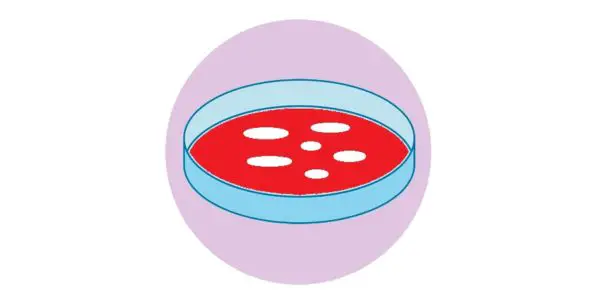
Streptococcus pyogenes is a gram positive cocci that is responsible for several bacterial infections worldwide. With the aid of its virulence factors, it is able to colonise

Neurology can be both fascinating and frustrating. Clinical neurology usually provides fascinating stuff, while neuroanatomy is what tends to leave you frustrated. Having a good neurology book
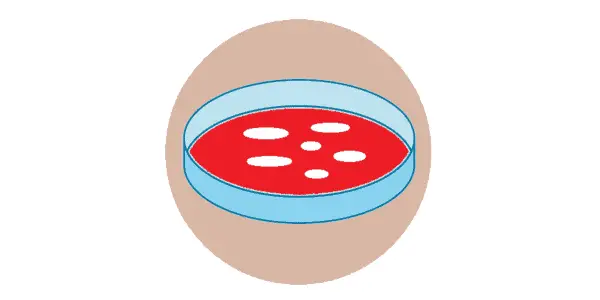
The coagulase-negative staphylococci are not as pathogenic as staphylococcus aureus. Many of them belong to the normal bacterial flora of the skin and mucosal layers and are
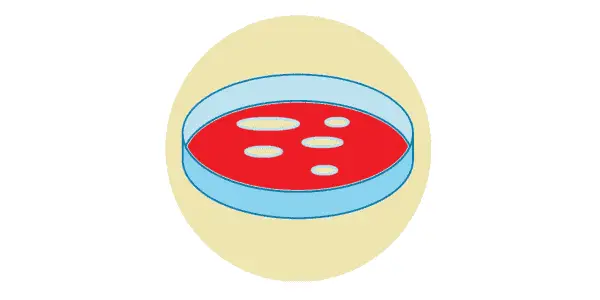
Staphylococcus aureus is one of the most frequent agents of human bacterial infections. This catalase-positive bacteria which can be found on the skin has a variety of

There are a wide variety of gram positive cocci in nature. Common to all is that they are seen as small, round, blue/purple stained bacteria under the

You might come across the abbreviation AUS in a patient’s journal. The most accepted is that this abbreviation stands for an artificial urinary sphincter. These devices were

Pathophysiology is a versatile subject that takes its material from several subjects. It is most closely linked to Pathology, but less pragmatic. This means understanding why changes

